I don’t think the downvoters understand your comment.
Germany was greatly destroyed in WW2, much of their housing stock was built post WW2. That didn’t happen in the UK, the Blitz didn’t destroy a huge amount of national housing stock, only specific pockets.
We have lots of Georgian and Victorian housing which has had upgrades over the years of vastly varying standards and quality. My wiring certainly isn’t up to scratch.
Breaker boxes, or fuse boxes as they used to be, aren’t designed to protect humans from electrocution as many believe. They’re designed to prevent house fires. If things don’t go as planned electricity can very easily melt wire insulation and start fires. Can we trust every homes wiring that could have been installed anywhere between 1920 and now to still be safe when used in a different configuration than normal? Current spikes in ring mains that have never had that much current before?
I’m all for the increase of solar power, but this needs to be done very carefully or people will die in preventable house fires.
Edit: to be clear, I am for these panels but unless the home was built in the last 20 years it should be thoroughly inspected before any work is done and done so by a qualified person. I’ve been out the industry for a long time now but there are ways of testing wiring insulation such as these meters by Megger.
These solar panels deliver 800W peak. Water kettles, hair dryers, flat irons, space heaters all need more power. If the wiring is good enough for these appliances, it should be good enough for such a solar panel.
People dont get the problem, with a plug in solar panel you can have something behind a fuse draw more current than what the fuse sees. If your panel provides 800w and you have other appliences in the same circuit behind the fuse that pull high current they can pull nearly the max of your fuse through the fuse and all the current of your solar panel which would be more than the wiring can tolerate without the fuse blowing. That doesnt take into account that that the wiring could not even be capable of handling max current of your fuse as others here pointed out with shitty wiring that has been done in old houses where at some point someone just changed a fuse without really updating the cables in the wall.
My grandpas house in france had so shitty wiring that i would have never trusted it to be safe. Flat cable with broken isolation and no protective earth and a horrendus subpanel.
Genau dieses Problem ist der Grund warum in Deutschland die 800w Grenze gilt. Wenn es ein kleineres, oder wie du sagst gar kein, Problem wäre, dann wäre die Grenze höher. Oder es gäbe gar keine.
Yeah but there are a lot of shitty old buildings with shitty old wiring here.
Using the hot water tap in my kitchen nearly set my building on fire last year when the mini boiler under the sink shorted out after having melted all the insulation around the wires leading to it. That oily fishy smell of wires burning still haunts me.
I’m all for the increase of solar power, but this needs to be done very carefully or people will die in preventable house fires.
This is not an actual problem in Germany, nor in other countries.
What happens still more often are houses destroyed by gas explosions. Here are some real examples for the latter. Those pictures are one more reason to get a heat pump fast.
The landlords don’t put obstacles to these because of any fire risk, but because they don’t want to cede control. In the same way as you are here technically not allowed to attach a flag to your balcony, or put an anti-war poster in your window.
And that’s only a relevant problem, because in Germany a far higher proportion of flats are rented than in the UK. That has to do with work mobility (when you lose your job, you are expected to look in other cities, too), and also with the fact that in Germany, an own custom-built house will often sell at a substantial loss.


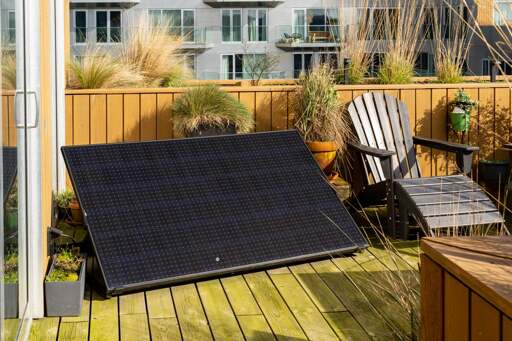
We have them here in Germany and let me tell you: they do work, they save money, they are easy to install, and no, they won’t burn your house down.
Honestly the biggest problems with them are landlords trying to stop you from installing them.
UK housing stock is significantly more shitty though, so the risk there is probably higher.
I don’t think the downvoters understand your comment.
Germany was greatly destroyed in WW2, much of their housing stock was built post WW2. That didn’t happen in the UK, the Blitz didn’t destroy a huge amount of national housing stock, only specific pockets.
We have lots of Georgian and Victorian housing which has had upgrades over the years of vastly varying standards and quality. My wiring certainly isn’t up to scratch.
Breaker boxes, or fuse boxes as they used to be, aren’t designed to protect humans from electrocution as many believe. They’re designed to prevent house fires. If things don’t go as planned electricity can very easily melt wire insulation and start fires. Can we trust every homes wiring that could have been installed anywhere between 1920 and now to still be safe when used in a different configuration than normal? Current spikes in ring mains that have never had that much current before?
I’m all for the increase of solar power, but this needs to be done very carefully or people will die in preventable house fires.
Edit: to be clear, I am for these panels but unless the home was built in the last 20 years it should be thoroughly inspected before any work is done and done so by a qualified person. I’ve been out the industry for a long time now but there are ways of testing wiring insulation such as these meters by Megger.
These solar panels deliver 800W peak. Water kettles, hair dryers, flat irons, space heaters all need more power. If the wiring is good enough for these appliances, it should be good enough for such a solar panel.
People dont get the problem, with a plug in solar panel you can have something behind a fuse draw more current than what the fuse sees. If your panel provides 800w and you have other appliences in the same circuit behind the fuse that pull high current they can pull nearly the max of your fuse through the fuse and all the current of your solar panel which would be more than the wiring can tolerate without the fuse blowing. That doesnt take into account that that the wiring could not even be capable of handling max current of your fuse as others here pointed out with shitty wiring that has been done in old houses where at some point someone just changed a fuse without really updating the cables in the wall.
My grandpas house in france had so shitty wiring that i would have never trusted it to be safe. Flat cable with broken isolation and no protective earth and a horrendus subpanel.
Just do what the Americans do, require it to be on its own circuit. Put in a 5a fuse and Bob’s your uncle.
It is not an actual problem.
Yes, it absolutely is.
Genau dieses Problem ist der Grund warum in Deutschland die 800w Grenze gilt. Wenn es ein kleineres, oder wie du sagst gar kein, Problem wäre, dann wäre die Grenze höher. Oder es gäbe gar keine.
It’s not that simple.
This is what The Institution of Engineering and Technology has to say:
https://www.theiet.org/media/press-releases/press-releases-2026/press-releases-2026-january-march/24-march-2026-iet-urges-households-to-check-electrical-safety-before-using-plug-in-solar-products
Yeah but there are a lot of shitty old buildings with shitty old wiring here.
Using the hot water tap in my kitchen nearly set my building on fire last year when the mini boiler under the sink shorted out after having melted all the insulation around the wires leading to it. That oily fishy smell of wires burning still haunts me.
This is not an actual problem in Germany, nor in other countries.
What happens still more often are houses destroyed by gas explosions. Here are some real examples for the latter. Those pictures are one more reason to get a heat pump fast.
But it’s a risk in the UK, for the reasons the comment explained.
The landlords don’t put obstacles to these because of any fire risk, but because they don’t want to cede control. In the same way as you are here technically not allowed to attach a flag to your balcony, or put an anti-war poster in your window.
And that’s only a relevant problem, because in Germany a far higher proportion of flats are rented than in the UK. That has to do with work mobility (when you lose your job, you are expected to look in other cities, too), and also with the fact that in Germany, an own custom-built house will often sell at a substantial loss.