- 15 Posts
- 8 Comments


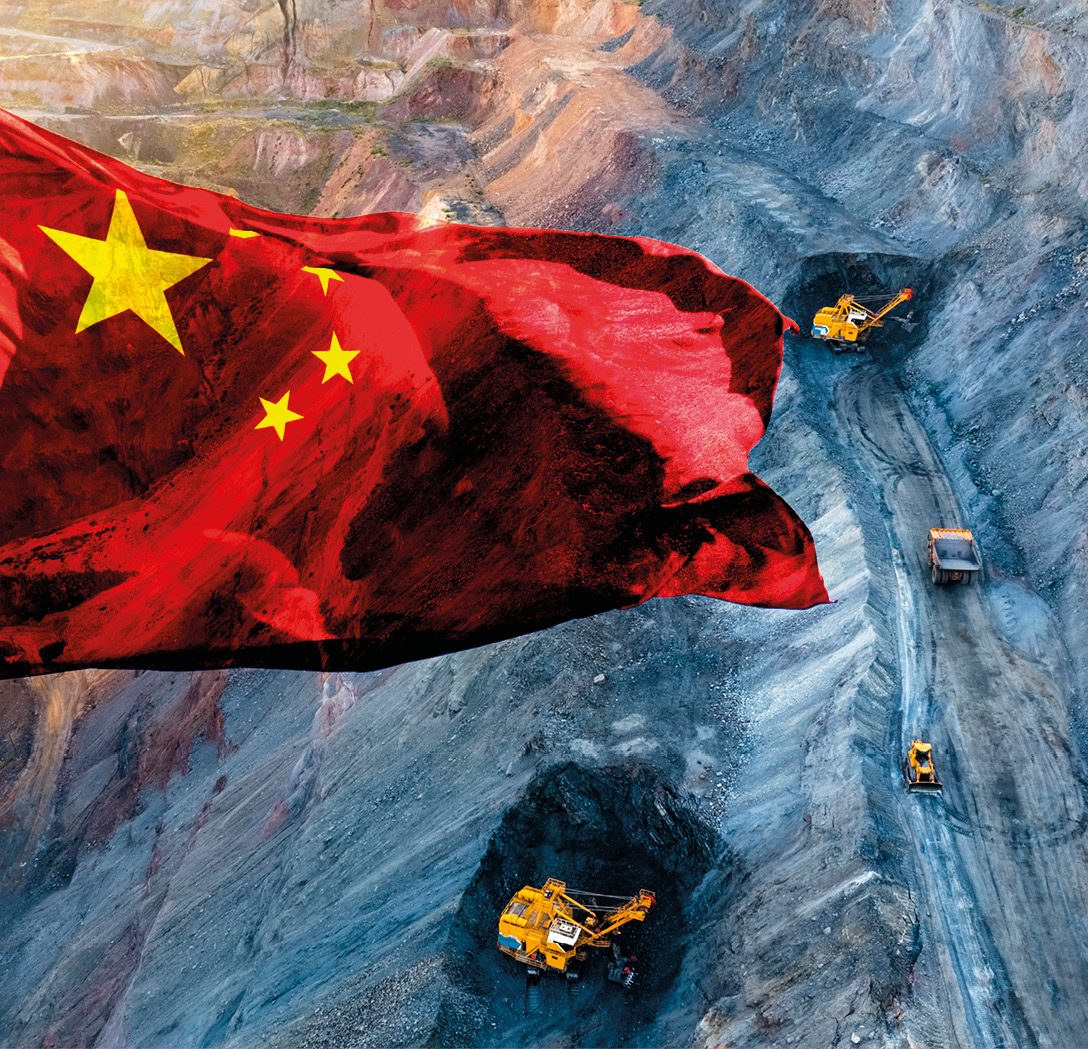
Yeah, but 2026 is all different: China boosted its coal and gas power generation by 3.1% in April from a year earlier.
China has been for decades among the worst polluters with highest carbon emissions, and this will remain so for a long time. According to the Chinese Communist Party’s recently released 15th five-year plan:
- China’s goals for non-fossil energy additions would see China’s annual green energy additions fall by more than half compared to the 14th five-year plan
- At the same time, fossil fuel energy consumption would increase by 8-10%, reversing the slow-down in fossil fuel energy consumption during the 14th FYP period.

… 31% of the world’s electricity is consumed in China, but AFAIK coal is also used in production of steel and other metals … Yes, it’s true, but they don’t drill oil or burn coal for the lulz, it’s all to satisfy some consumer demand down the line …
I wrote this in the last few days in other threads: It does NOT satisfy consumer demands.
China produces massive overcapacity in almost all industries. For example, it produces more steel that can be absorbed by global markets, and the same is true for solar panels and many other products. The resulting price wars have been leading to bankruptcies (more than 400 EV makers filed for insolvency or halted production since the late 2010s, for example) and a deflationary period since 2023.
The Chinese government wants to export this model to the world for geopolitical reasons, not to ‘satisfy demand’. The government in Beijing doesn’t care about demand or the people who are about to suffer most from this in the long run.
Addition:
China heavily depends on foreign exports markets to sell this overcapacity, as one analysis says,
Overproduction generates a negative externality by depressing the aggregate purchasing power of the nation, and by driving down export prices, it erodes China’s terms of trade. It is a situation which economist Jagdish Bhagwati termed as ‘immiserizing growth’ … Industrial policy [in China] is entangled with geopolitical rivalry, locking Beijing into a ‘chicken game’ of capacity expansion even when it undermines national welfare.
The Chinese Communist Party does not necessarily aim at undermining national welfare, but it at least deliberately accepts it, and it aims to export the same model to as many countries as possible.

This is not about the people. Key coal-based industries remain central to China’s economy, including coal-to-chemicals, and coal-based hydrogen among others. Among these industries are steel, cement, concrete, of which China produces massive overcapacity no one needs. It is also noteworthy that these ‘new’ coal-based hydrogens are often framed as green transition strategies (e.g., as ‘green steel’), but in reality that’s often just rebrand of carbon-emitting energy sources rather than true transformation.
According to the Chinese Communist Party’s recently released 15th five-year plan: compared to the 14th five-year plan, China’s goals for non-fossil energy additions would see China’s annual green energy additions fall by more than half in the next five years, while at the same time, fossil fuel energy consumption would increase by 8-10%.
So this is not about ‘China bad’ but rather an objective fact: China is not on track to meet its 2060 carbon neutrality goal, according to climate think tank, Carbon Action Tracker.
According to the Chinese Communist Party’s recently released 15th five-year plan: compared to the 14th five-year plan, China’s goals for non-fossil energy additions would see China’s annual green energy additions fall by more than half in the next five years, while at the same time, fossil fuel energy consumption would increase by 8-10%,
China is not on track to meet its 2060 carbon neutrality goal, according to climate think tank, Carbon Action Tracker.
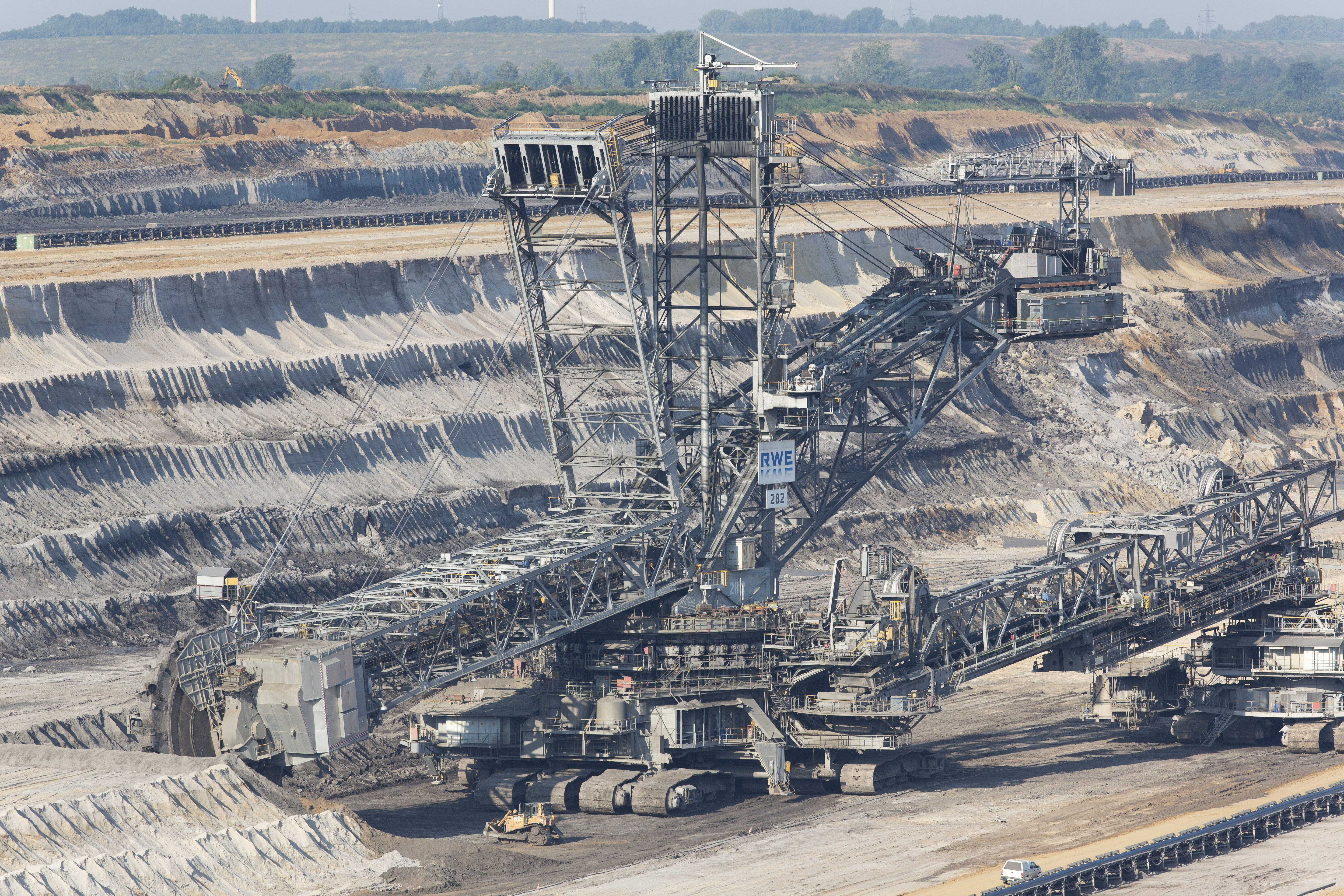
As an addition: In its report, The Global Coal Exit List 2025: Troubling Trends Towards Chemicals and Captive Power, the NGO Urgewald identifies India, China, and the U.S. as the main obstacles for a coal phase-out.







 1·1 month ago
A quick reminder that non-Chinese companies can’t establish a subsidiary in China, they always need a Chinese partner that would then own the majority of the Chinese joint venture. And that’s just one among many other protectionist rules that illustrate how the Chinese Communist Party shields its domestic supply chains, including the use of forced labour.


Yes, the ‘de-risking’ from US tech has been going on for some time. Regarding trade, however, China is the much bigger issue. The EU has face a rising trade deficit with China due to imported products made under non-transparent decisions in Chinese supply chains and protectionism by China that goes far beyond subsidies.