A: need to change stuff just for the sake of changing it for job security (look, you need to keep me as a ux designer on the project because the old UI is outdated and old)
B: new developers dont like UI elements on the gameplay screen
Now, I will tell you that a UI element for a light meter would work perfectly fine and actually be preferred. I would also tell you that MGSV looked phenomenal for the time it came out, and still looks pretty good, and I dont have much of a problem with stealth or sneaking in that game. Now, it is less reliant on light and shadow for its stealth detection than Splinter Cell, but its not out of the realm of possibility that it could be done decently easily. Just use the data from game engine light probes and any baked shadow maps and its fine.
But nah, we gotta overcomplicate it by using dynamic lighting for statically lit levels because that is the easiest method of lighting a level without changing any default options.


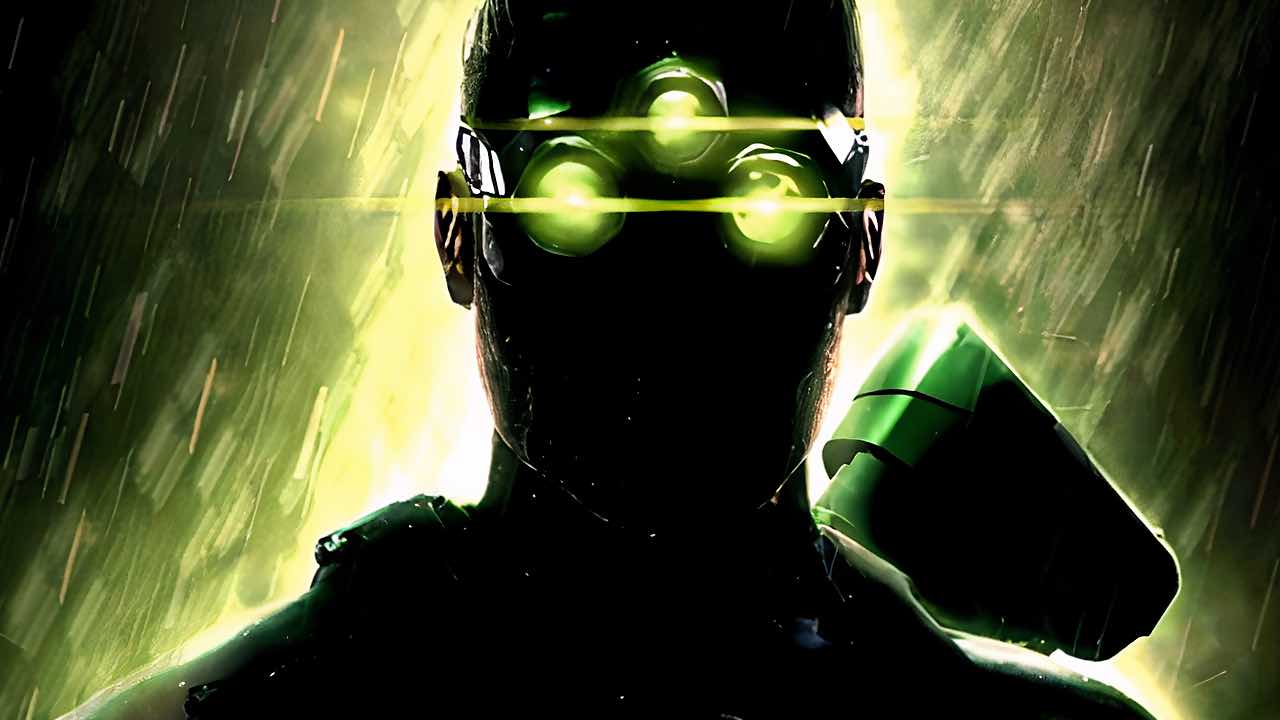
It could. But modern developer:
A: need to change stuff just for the sake of changing it for job security (look, you need to keep me as a ux designer on the project because the old UI is outdated and old)
B: new developers dont like UI elements on the gameplay screen
Now, I will tell you that a UI element for a light meter would work perfectly fine and actually be preferred. I would also tell you that MGSV looked phenomenal for the time it came out, and still looks pretty good, and I dont have much of a problem with stealth or sneaking in that game. Now, it is less reliant on light and shadow for its stealth detection than Splinter Cell, but its not out of the realm of possibility that it could be done decently easily. Just use the data from game engine light probes and any baked shadow maps and its fine.
But nah, we gotta overcomplicate it by using dynamic lighting for statically lit levels because that is the easiest method of lighting a level without changing any default options.